
Relying on outdated IT infrastructure is a massive financial and operational liability. Systems that require constant maintenance drain your budget and expose your organization to significant downtime. When you operate in a fast-paced business environment, you simply cannot afford the bottlenecks created by legacy technology.
The risks go far beyond slow daily operations. Poor security in aging systems creates an easy target for modern cyber threats. The financial impact of these vulnerabilities is staggering. According to an IBM report, the average cost of a data breach has increased to $4.88 million in 2024.
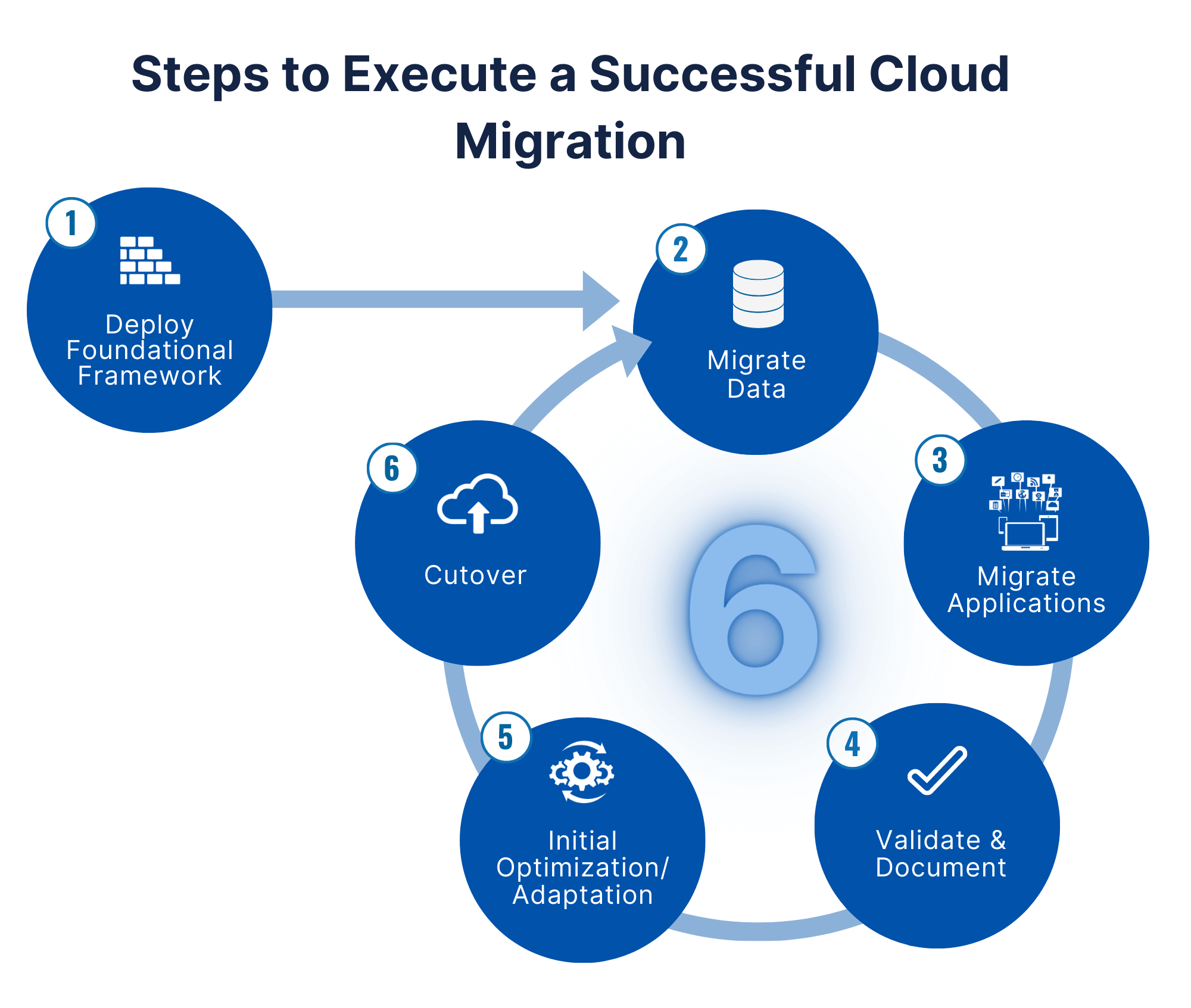
Successfully moving away from these legacy systems requires a comprehensive, proactive strategy rather than just a simple migration. Moving your existing problems to a new server does not solve them. You need a complete structural shift to build true resilience.
When local businesses decide to move away from outdated legacy tech, they need more than a simple migration—they need a strategic overhaul. Partnering with an expert in cloud solutions in Denver ensures that your transition is seamless, secure, and optimized for long-term growth.
Key Takeaways
- A basic “lift and shift” migration is vastly different from a comprehensive, optimization-first IT transformation.
- Unexpected cloud security gaps are most often caused by avoidable misconfigurations and insecure identity permissions.
- Partnering with a localized, strategic IT provider is essential for ensuring business continuity, maintaining compliance, and maximizing ROI.
Basic Migration vs. Comprehensive IT Transformation
What exactly is the difference between a basic cloud migration and a comprehensive IT transformation? Many organizations confuse the two, assuming that changing their hosting location is the same as modernizing their technology. This misunderstanding often leads to wasted resources and frustrating operational roadblocks.
Legacy IT systems hold businesses back in several distinct ways. They limit your ability to scale operations quickly, demand unpredictable maintenance costs, and rely on outdated security protocols. When you depend on these systems, your IT team spends their time fighting fires instead of driving innovation.
A basic migration, often called a “lift and shift” approach, involves taking your applications and data exactly as they are and moving them to a cloud server. While this might quickly get you out of an on-premises data center, it often simply transfers your existing inefficiencies to a new environment. You end up paying cloud premium prices to run the same clunky, unoptimized workloads.
By contrast, a comprehensive IT transformation is a continuous, optimization-first methodology. It involves restructuring your applications and workflows to take full advantage of native cloud capabilities. This approach directly aligns your technology investments with overarching business goals, ensuring you achieve maximum ROI and build a foundation for sustainable growth.
What Causes Unexpected Cloud Security Gaps?
What are the hidden causes of unexpected cloud security gaps? Many IT leaders believe that moving to a major provider like AWS, Azure, or Google Cloud means their data is automatically protected. This is a dangerous misconception. While these providers secure the physical infrastructure, you are still entirely responsible for securing the data and applications you put inside it.
This shared responsibility model means the greatest threats often come from inside the house. The human element plays a massive role in cloud vulnerabilities. In fact, Gartner estimates that by 2025, 99% of organizations’ cloud breaches will stem from avoidable end-user mistakes and misconfigurations.
A significant portion of these mistakes revolve around how users access the network. Managing who has permission to view or modify data becomes highly complex in a decentralized environment. According to the Cloud Security Alliance, 59% of organizations identified insecure identities and risky permissions as their top cloud security risk.
When identity management is weak, bad actors can easily move laterally through your network if they compromise a single user’s account. This turns a minor phishing click into a major corporate incident.
Assessing Common Cloud Vulnerabilities
Understanding specific threats is the first step toward building a better defense strategy. When you map technical flaws to their real-world consequences, it becomes much easier to justify security investments to your executive board. The table below outlines frequent vulnerabilities and exactly how they impact business operations.
| Common Cloud Vulnerabilities | Business Impacts |
|---|---|
| Misconfigured access controls (e.g., exposed storage buckets) | Unauthorized data exposure, heavy regulatory fines, and permanent reputational damage. |
| Inadequate Identity and Access Management (IAM) | Compliance liabilities, internal data theft, and unexpected operational disruptions. |
Exposed storage buckets happen when administrators accidentally leave cloud databases open to the public internet during routine updates. Inadequate IAM occurs when employees retain access privileges for departments they no longer work in. Both scenarios create massive, silent liabilities that often go unnoticed until a breach actually happens.
Proactive Steps to Secure and Optimize Your Cloud Environment
What proactive steps can businesses take to secure their cloud environments and ensure compliance? The answer lies in shifting away from a reactive mindset. You cannot wait for an alert to tell you something is broken. You must actively hunt for inefficiencies and vulnerabilities on a daily basis.
This starts with implementing continuous, real-time monitoring and advanced threat detection. Automated security tools can scan your environment around the clock, identifying permission changes or misconfigurations before they turn into major liabilities. This active oversight provides peace of mind and keeps your IT team ahead of the curve.
Security is only half of the equation. You also need to optimize your cloud setup to efficiently control costs and maximize ROI. By using dynamic resource scaling, your network can automatically increase computing power during busy periods and scale down during off-hours, ensuring you only pay for what you actually use.
Finally, proactive compliance and data protection measures are absolutely non-negotiable for highly regulated industries. If you operate in Healthcare, Finance, or Energy, your cloud environment must be architected specifically to meet strict data privacy frameworks. This involves establishing immutable backups, end-to-end encryption, and rigorous audit trails from day one.
The Strategic Value of a Localized IT Partner
Why is partnering with a localized, strategic IT provider critical for business continuity and ROI? Managing a comprehensive transformation requires specialized knowledge that many in-house teams simply do not have the time to develop. Attempting to navigate this complex process alone often leads to delayed timelines and blown budgets.
Working with a generic, break-fix vendor is often a highly frustrating experience. These vendors only call you when something is broken, and they rarely understand the nuances of your daily operations. A dedicated IT partner, on the other hand, actively works to improve your systems and align your technology with your future growth plans.
A local Denver IT provider offers unique advantages that national conglomerates cannot match. They understand regional market demands, local compliance nuances, and the specific challenges faced by businesses in the area. Most importantly, a local partner can provide rapid, dedicated support, including on-site assistance when major physical infrastructure changes are required.
Ultimately, a strategic partner focuses on ongoing optimization and comprehensive business continuity. They do not just set up your cloud and walk away. They ensure your technology continuously evolves alongside your organization, adapting to new challenges and turning your IT department into a true business driver.
Conclusion
The limitations of legacy IT systems present an unacceptable risk in the modern business landscape. Sticking with outdated hardware limits your growth and drains your budget. Likewise, executing a poor cloud migration creates unmanaged security gaps that leave your sensitive data entirely exposed.
Achieving true IT resilience and scalable growth requires an optimization-first transformation strategy, not just a simple data migration. You must restructure your technology to take full advantage of dynamic scaling, robust identity management, and proactive threat detection.
Take a close look at your current technology stack and your existing vendor relationships. If your current provider is not actively bringing you new ways to optimize costs and secure your data, it is time for a change. Take the necessary steps today to find a proactive, localized IT partner who will treat your business success as their own.
