

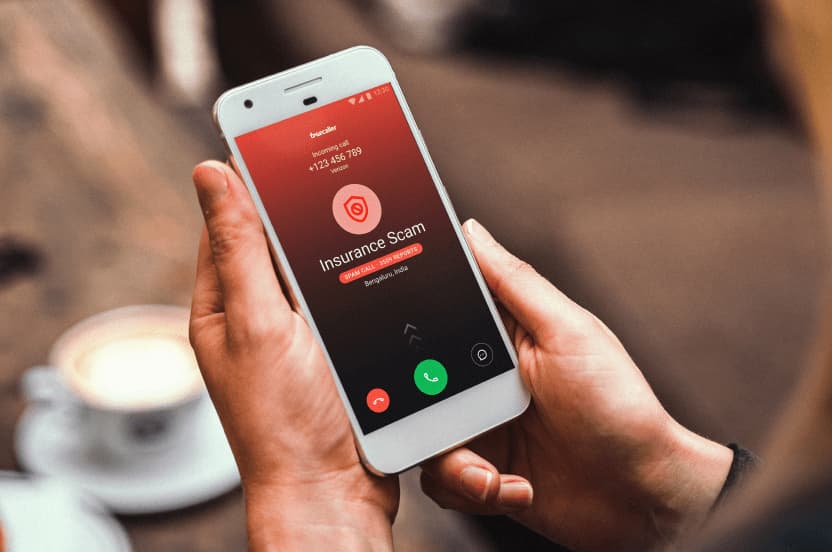
Receiving a call from an unknown number like 9035937800 can instantly make anyone curious or concerned. Many people today search unfamiliar phone numbers online because they want to know whether the caller is genuine, business-related, promotional, or potentially dangerous. Unknown calls have become extremely common in modern life, especially with the rapid growth of telemarketing, automated robocalls, customer verification systems, and online scams. As a result, users are becoming more careful about answering unfamiliar numbers without checking their background first.
If you recently received a call from 9035937800, you are not alone. Thousands of users regularly search phone numbers to understand who may have contacted them and whether they should respond, ignore, or block the caller. In some situations, these calls may come from legitimate organizations, while in other cases they may involve spam activity, unwanted promotions, or fraud attempts. This detailed guide explains everything you should know about 9035937800, including possible reasons for the call, warning signs to watch for, methods to identify unknown callers, and practical safety tips that help protect your privacy and personal information. By the end of this article, you will understand how to handle unknown calls confidently and safely in today’s digital world.
Why People Search for 9035937800 Online
Searching unknown phone numbers has become a very common online activity because people want clarity before interacting with unfamiliar callers. When users see repeated missed calls, unexpected incoming calls, or unusual call behavior, they often turn to search engines to gather information and check whether others have reported similar experiences. The number 9035937800 may appear unfamiliar to many people, which naturally creates questions regarding its source and purpose.
One major reason users search unknown numbers is the increasing number of bold spam calls, bold robocalls, and bold scam operations happening globally. Fraudulent callers often pretend to represent banks, delivery companies, insurance agencies, technical support departments, or government institutions. These fake calls are designed to create urgency, fear, or curiosity so that users reveal sensitive details such as passwords, banking information, verification codes, or personal identification data. Because of these risks, users now prefer verifying numbers online before answering or calling back.
Another reason behind online searches is simple curiosity. Sometimes the call may genuinely come from a service provider, customer support representative, appointment center, or delivery company. In such situations, users search the number to confirm authenticity before responding. Modern consumers are becoming more aware of bold digital privacy, bold caller verification, and bold online safety practices, which is why searching unknown numbers has become part of everyday internet behavior.
Possible Reasons You Received a Call From 9035937800
There can be several explanations for receiving a call from 9035937800, and not every unknown number automatically means danger. Some calls may be completely legitimate, while others may involve marketing activity or suspicious intent. Understanding the possible reasons behind such calls can help users react more wisely instead of responding emotionally or carelessly.
One common possibility is that the call came from a business or customer service department. Companies frequently contact customers regarding appointment confirmations, delivery notifications, payment reminders, service updates, account verification, or technical support follow-ups. Many businesses now rely heavily on automated calling systems to manage communication with customers efficiently. These systems can sometimes display unfamiliar numbers that users do not immediately recognize.
Another possibility is telemarketing activity. Marketing agencies often use automated dialers to contact large groups of users for promotions, surveys, subscription offers, insurance plans, or financial products. Although some promotional calls are legal and harmless, repeated unwanted calls may become annoying for users. This is why many people rely on bold spam filtering tools, bold call-blocking applications, and bold caller identification services to manage incoming calls more effectively.
Unfortunately, suspicious calls and scam attempts are also increasingly common. Fraudsters frequently use fake identities and manipulated caller IDs to trick people into believing the call is genuine. These scams may involve fake prizes, banking alerts, tax warnings, technical support fraud, or urgent account problems. Scammers depend heavily on panic and confusion to manipulate users quickly before they have time to think carefully.
Important Warning Signs You Should Never Ignore
While some unknown calls may be harmless, there are several warning signs that should immediately raise concern when dealing with numbers like 9035937800. Recognizing these signs early can prevent users from becoming victims of fraud, identity theft, or financial scams.
One major red flag is when the caller pressures you to act urgently. Scammers often create fake emergencies involving bank accounts, legal action, unpaid bills, or account suspensions. Their goal is to make users panic so they respond without verifying the information properly. Legitimate organizations usually allow customers enough time to confirm details through official communication channels.
Another suspicious sign is when the caller requests sensitive information such as passwords, debit card details, one-time passwords, PIN codes, or national identification numbers. Genuine companies rarely ask for confidential details over ordinary phone calls. Any request involving financial data should be treated with extreme caution.
Robotic voices and automated recordings can also indicate suspicious activity. Many scam operations use bold robocall technology, bold automated dialing systems, and bold voice manipulation tools to contact thousands of users daily. In some cases, the caller may hang up immediately after you answer, which may indicate automated spam testing systems checking whether your number is active.
Repeated calls from the same unknown number within a short period can also signal aggressive telemarketing or spam behavior. Users should remain alert and prioritize bold personal security, bold digital awareness, and bold mobile privacy protection whenever interacting with unfamiliar callers.
How to Verify Whether 9035937800 Is Genuine
Before responding to any unknown number, users should take a few simple but important steps to verify whether the caller is legitimate. Careful verification can reduce the risk of fraud and help users make informed decisions about answering, returning, or blocking calls.
The easiest method is conducting an online search for the number. Many users share experiences about suspicious numbers on public discussion platforms, complaint boards, and community forums. Reading user reports may help identify whether the number is linked to spam activity, telemarketing, or legitimate business communication.
Another effective option is using caller identification applications. Modern apps can automatically detect and label numbers associated with spam reports or business accounts. These applications rely on large user databases and advanced filtering systems to improve caller recognition. Many users depend on bold caller ID technology, bold spam monitoring tools, and bold fraud detection systems to avoid unwanted interactions.
If the caller claims to represent a bank, company, or service provider, it is always safer to contact the organization directly using official contact information from their website or verified documents. Never trust phone numbers provided by suspicious callers themselves. Verifying independently can protect users from impersonation scams.
Blocking the number is also a reasonable choice if the calls become frequent, suspicious, or unwanted. Most smartphones now include built-in call-blocking features that help users reduce spam interruptions and improve privacy management.
| Verification Method | Purpose |
| Online search | Check user reports |
| Caller ID apps | Identify spam or business numbers |
| Official company contact | Verify authenticity |
| Block feature | Stop repeated calls |
| Spam reporting tools | Help warn other users |
Why Spam and Scam Calls Are Increasing Worldwide
The rise in spam calls globally is closely connected to advances in digital communication technology. Automated calling systems have made it easier and cheaper for marketers and scammers to reach thousands of users within minutes. Unfortunately, this technology is often abused for fraudulent purposes.
Cybercriminals frequently obtain phone numbers through online data leaks, fake websites, social media exposure, or unauthorized databases. Once collected, these numbers may be sold to telemarketing agencies or scam networks. Users who frequently share personal details online may unknowingly increase their exposure to spam activity.
Modern scammers use highly sophisticated techniques such as bold caller spoofing, bold phishing attacks, and bold fake identity systems to appear trustworthy. Some fraudulent calls even display local numbers to increase the chance of users answering. This manipulation creates confusion because users may assume the call comes from someone nearby or familiar.
Global studies show that billions of spam calls occur every month, affecting users across different countries and age groups. Older adults are particularly vulnerable because scammers often target them using emotional pressure, fake emergencies, or financial threats. Younger users are also increasingly targeted through digital payment scams and fake online verification requests.
As scam tactics continue evolving, awareness about bold cyber protection, bold fraud prevention, and bold digital security habits becomes more important than ever for smartphone users worldwide.
Best Ways to Protect Yourself From Suspicious Calls
Protecting yourself from suspicious calls requires a combination of awareness, caution, and smart digital habits. Although technology companies continue improving spam detection systems, users must also take personal responsibility for protecting their information and communication privacy.
One of the most important habits is avoiding the sharing of personal or financial information over phone calls unless the caller’s identity has been fully verified. Even if the caller sounds professional or convincing, users should independently confirm the authenticity of the request before providing sensitive details.
Users should also avoid calling back suspicious missed calls immediately. Some scam numbers are designed to generate premium charges or confirm active phone numbers for future targeting. Instead of responding impulsively, it is safer to research the number first and assess whether it appears trustworthy.
Installing trusted spam protection applications can also improve security significantly. These tools automatically identify suspicious patterns, block known spam numbers, and warn users about high-risk callers. Many people now rely on bold smart call filtering, bold mobile protection apps, and bold anti-spam technology for safer communication experiences.
Regularly updating smartphone software is another valuable security step because newer updates often include stronger privacy and spam protection features. Combining technology with careful decision-making offers the best defense against unwanted calls and scams.
Common Types of Phone Scams Linked to Unknown Numbers
Phone scams continue evolving every year, and understanding common scam patterns can help users identify suspicious behavior more quickly. Unknown numbers such as 9035937800 may sometimes be connected to these widespread scam techniques.
One common scam involves fake banking alerts. The caller claims unusual activity occurred on your account and asks you to verify banking details immediately. Another frequent scam involves technical support fraud, where callers pretend to represent software companies and claim your device has security issues requiring urgent action.
Prize and lottery scams are also extremely popular. Victims are told they won money or rewards but must first pay fees or verify sensitive information. Delivery scams have become increasingly common as online shopping grows worldwide. Fraudsters pretend to represent shipping companies and request payments or personal data for fake package issues.
Romance scams, charity scams, and investment fraud schemes are also expanding rapidly. Criminals carefully manipulate emotions to build trust before requesting financial transfers or confidential information. This is why understanding bold scam awareness, bold fraud tactics, and bold consumer protection strategies is essential for modern mobile users.
FAQs
Is 9035937800 a scam number?
It may or may not be. Users should verify the caller carefully before sharing any information.
Should I answer calls from unknown numbers?
Only if necessary. If unsure, verify the number first through trusted sources.
Can scammers steal information through phone calls?
Yes. Fraudsters often trick users into revealing personal or financial details.
What should I do if the caller sounds suspicious?
End the call immediately and avoid further interaction.
Is blocking the number a good idea?
Yes. If calls become repetitive or suspicious, blocking can help reduce unwanted contact.
Conclusion
Calls from unknown numbers like 9035937800 can create uncertainty, but staying informed and cautious makes a huge difference. While some calls may come from legitimate businesses or service providers, others may involve spam activity or fraudulent intentions. Understanding the warning signs, verifying callers carefully, and using modern security tools can help protect your privacy and personal information effectively.
As phone scams continue increasing worldwide, users should focus on bold digital safety, bold smart communication habits, and bold mobile security awareness to avoid becoming easy targets. If you receive suspicious calls frequently, use caller verification tools, avoid sharing sensitive data, and report dangerous activity whenever necessary. Staying alert is the smartest way to maintain control over your digital communication and personal security.
